
Invisalign · Lynchburg, VA
Clear aligners, backed by a thousand smiles of experience
Backed by more than 1,000 Invisalign cases across the Willis & Associates Family Dentistry group. Delivered right here on Thomson Drive by Dr. Kim and Dr. Azevedo.
Smile preview at your first visit
Lynchburg Dentist provides Invisalign clear aligner treatment on Thomson Drive, delivered by Dr. Kim and Dr. Azevedo. The Willis & Associates Family Dentistry group has completed more than 1,000 Invisalign cases, and that experience shapes every plan. Treatment starts with a consultation and a digital smile preview at your first visit.
The program behind your aligners
Anyone can hand you a box of aligners. What determines how your smile actually turns out is the program behind them: how your case is planned, how movement is staged, and how many smiles that playbook has already carried to the finish line. Ours was built by Dr. James Willis, a former member of the American Academy of Clear Aligners (AACA) executive committee, and it carries the weight of more than 1,000 Invisalign cases completed across the Willis & Associates group. That volume is why treatment here draws on pattern recognition most offices never accumulate.
In Lynchburg, your treatment is delivered by Dr. Kim and Dr. Azevedo, working within that program's protocols. You get the pattern recognition of a high-volume aligner practice and the accountability of doctors you'll see at every check-in, in the same Thomson Drive office where your cleanings happen.
Why Invisalign
- Virtually invisible. Close up, you can see them; from a normal speaking distance, most people can't tell.
- Removable. Take them out to eat, drink, brush, and floss. No food restrictions, no special brushing techniques.
- Comfortable. Smooth plastic with no wires or brackets to poke your cheeks.
- Predictable. Digital planning on our iTero scanner shows your projected result before you start.
- Shorter visits. Quick check-ins every 6 to 8 weeks instead of monthly tightening appointments.

How treatment works
- 1. Scan. A 3D iTero scan of your teeth, no impressions, and a smile preview the same visit.
- 2. Plan. Every movement staged digitally under the program's protocols, reviewed and approved by your doctor.
- 3. Wear. A new aligner set every 1 to 2 weeks, 20 to 22 hours a day.
- 4. Check in. Short visits every 6 to 8 weeks with Dr. Kim or Dr. Azevedo to keep everything on track.
- 5. Retain. Clear retainers protect the result for the long haul.
The full walkthrough lives on our how Invisalign works page.
Who it's for
- Adults: professionals who present at work, Liberty University students who present in class. Nobody has to know you're straightening your teeth.
- Teens: compliance indicators for parents' peace of mind, no bracket-and-wire yearbook photos.
- Still deciding? Our honest Invisalign vs. braces comparison covers where each one wins.

Who's a good candidate
Invisalign works well for most adults and teens with mild to moderate alignment issues: crowding, spacing, mild overbites or underbites, crossbites, and tilted teeth. For severe bite problems or significant rotation, traditional braces or other orthodontic approaches may produce better results. And Invisalign is patient-driven: the aligners only work while they're in your mouth, so 20-plus hours a day is non-negotiable. We'll be straight with you on both counts before you commit.
What it costs
Invisalign at our office is priced by case complexity, and you'll get the real number after your scan, not a teaser rate. Many insurance plans contribute the same way they would for braces, and financing spreads treatment into monthly payments. Orthodontics and Invisalign are not part of the Virginia Dental Club membership discount. Honest ranges are on our Invisalign cost page.
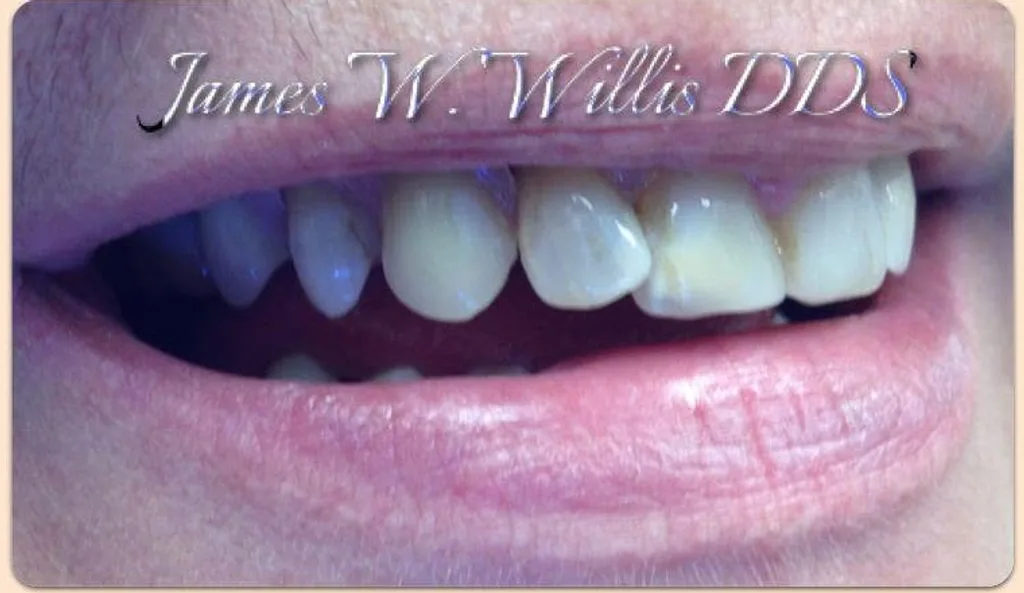
Real patients, real results
See real results
Browse before-and-after smiles treated by Dr. James Willis, real patients, not stock photography.
View the Smile Gallery →Reviewed by Dr. Jihoon Kim, DDS, July 2026
Common questions
Frequently asked
- Who is behind the Invisalign program here?
- Our clear aligner program was founded by Dr. James Willis, a former member of the American Academy of Clear Aligners (AACA) executive committee. The Willis & Associates Family Dentistry group has completed more than 1,000 Invisalign cases. Dr. Kim and Dr. Azevedo deliver your treatment here in Lynchburg following that program's protocols, so you get big-group experience with hometown care.
- What makes the program behind your aligners different?
- Experience. Invisalign treatment gets better the more cases a program has planned, and ours draws on more than 1,000 Invisalign cases completed across the Willis & Associates Family Dentistry group. The more smiles a program has planned, the fewer surprises in yours.
- How does Invisalign work?
- Invisalign uses a series of custom-made clear aligners that gradually shift your teeth into the correct position. You wear each set for about 1 to 2 weeks before moving to the next, and you swap them in and out for eating and brushing. Treatment typically takes 6 to 18 months depending on the complexity.
- Is Invisalign as effective as traditional braces?
- For mild to moderate alignment issues, crowding, gaps, mild bite problems, Invisalign is comparable to braces. For more severe or complex cases, traditional braces may still be the better tool. We'll review your specific situation and tell you honestly which approach is the right fit.
- How often do I wear the aligners?
- 20 to 22 hours a day, every day. You only take them out to eat, drink anything other than water, and brush your teeth. Less wear time means slower progress and unpredictable results. Consistency matters.
- Does Invisalign hurt?
- Mild pressure or soreness for the first day or two of each new aligner set is normal; your teeth are moving. Most patients describe it as awareness, not pain. The discomfort fades quickly as your teeth adjust.
- How is treatment planned?
- We start with a 3D digital scan of your teeth on our iTero scanner (no goopy impressions). The software plans every tooth movement step by step, and you'll see a preview of your projected final smile before we order your aligners.
- What about retainers after?
- Critical. Without retainers, teeth slowly drift back toward their original positions. You'll receive clear retainers at the end of treatment; wear them nightly for life to keep your results.
- Does insurance cover Invisalign?
- Many dental plans cover Invisalign at some level, often the same percentage as traditional braces. We'll check your plan and give you a clear cost estimate before treatment starts. Orthodontics and Invisalign are not part of the Virginia Dental Club membership discount.
- Are there options for teens?
- Yes. Invisalign Teen aligners are designed for growing mouths and include compliance indicators that fade as the aligners are worn. They're a popular alternative to braces for high school-age patients who want a less visible option.
We'd love to see you on Thomson Drive
Call, message, or schedule online, whichever's easiest for you.